
From the reports
Conditions that show up, and why they are in the report.
These photos show some of the defects that have been found on actual home inspections.
Roof and drainage
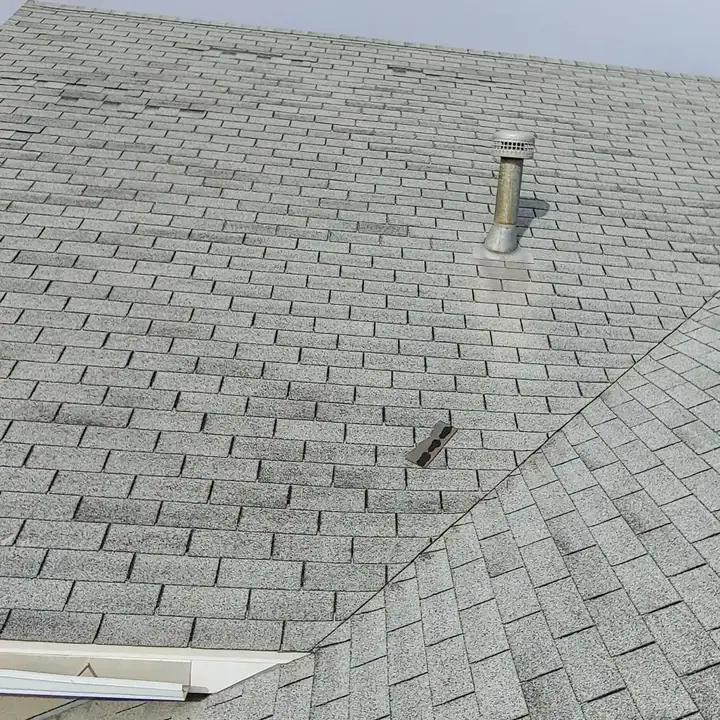
Aging asphalt shingle roof
Granule loss, curling, and age tell you how much life the roof has left.
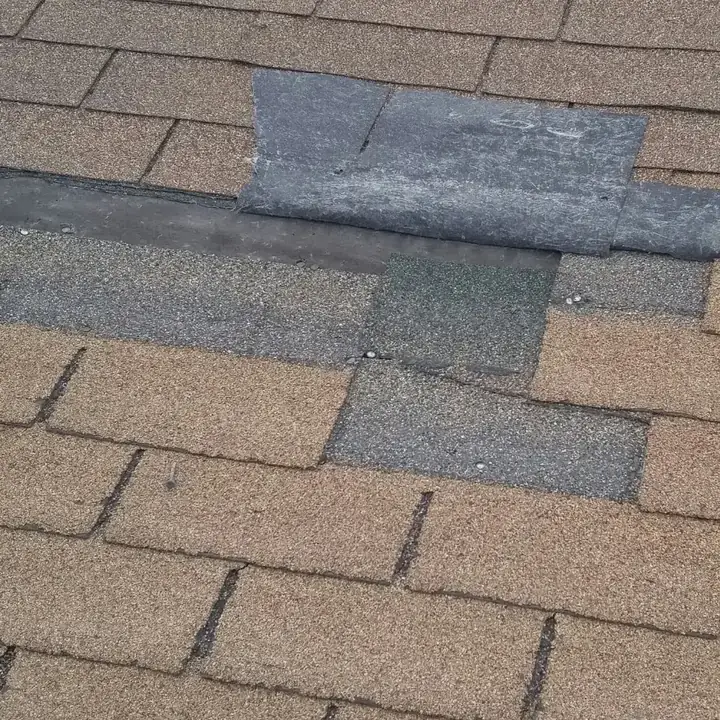
Missing or broken shingles
Open spots let water onto the underlayment and, eventually, the deck.
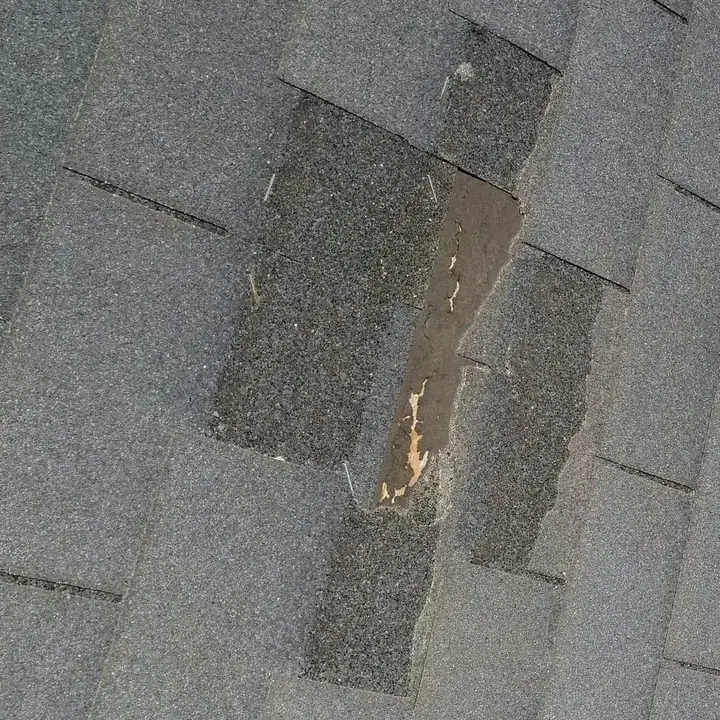
Missing shingles with exposed decking
Bare wood is already a leak, not a someday leak.
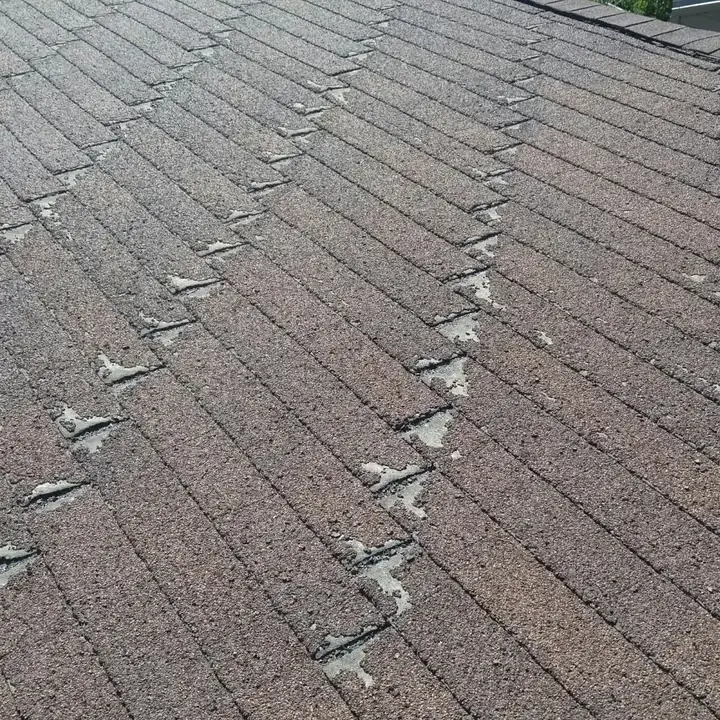
Worn or failing roofing
The report separates a roof that needs maintenance from one that needs replacement.
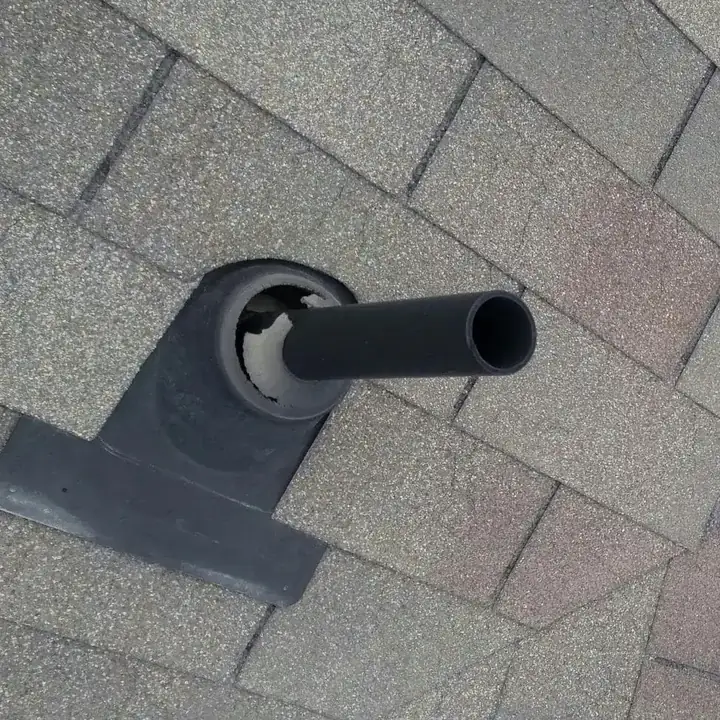
Open vent flashing
A lifted or open flashing is a common path for attic water.
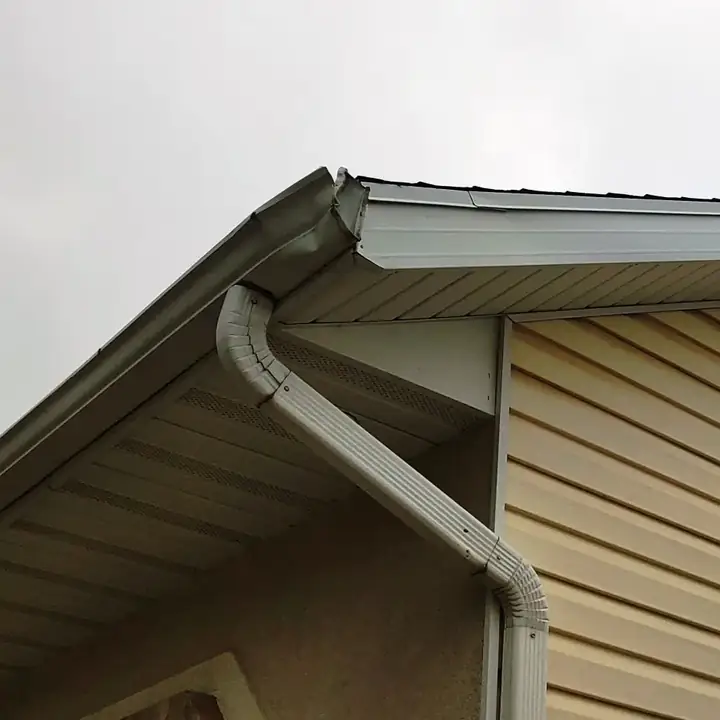
Damaged gutter
Bent or separated gutters dump water against the foundation.
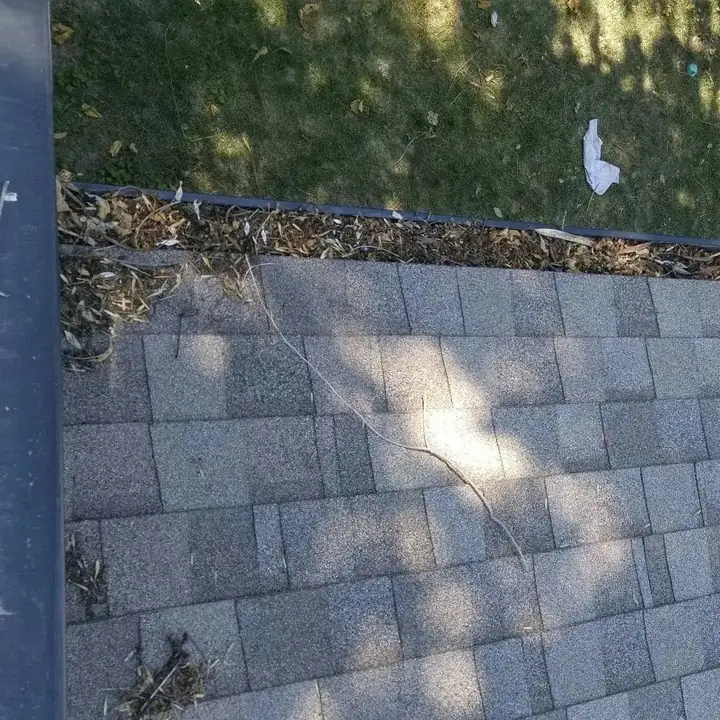
Plugged gutter
A full gutter overflows in the same place, every storm.
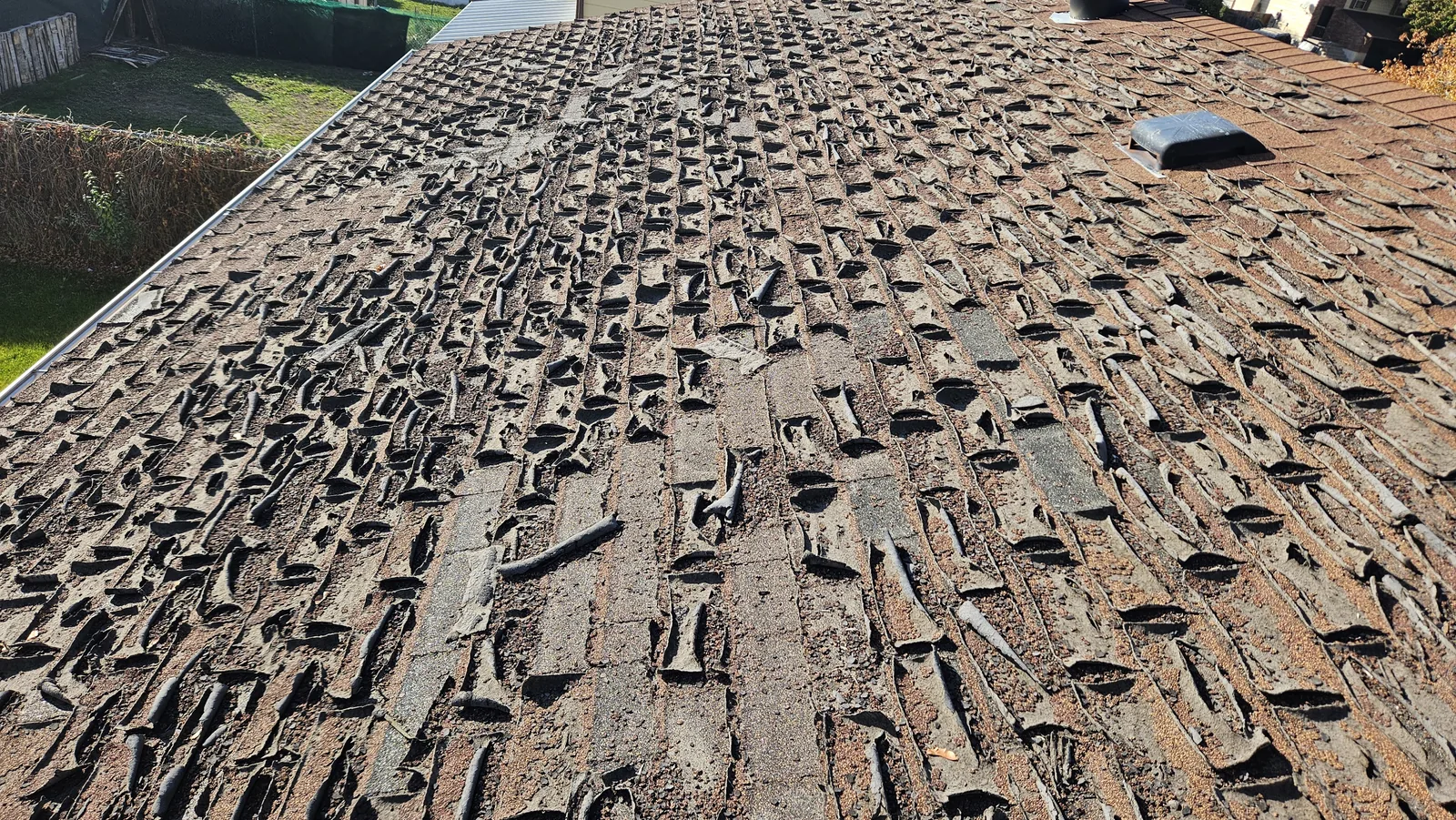
Curled and cracked asphalt shingles
Tabs across the slope are curled, cracked, and losing granules.
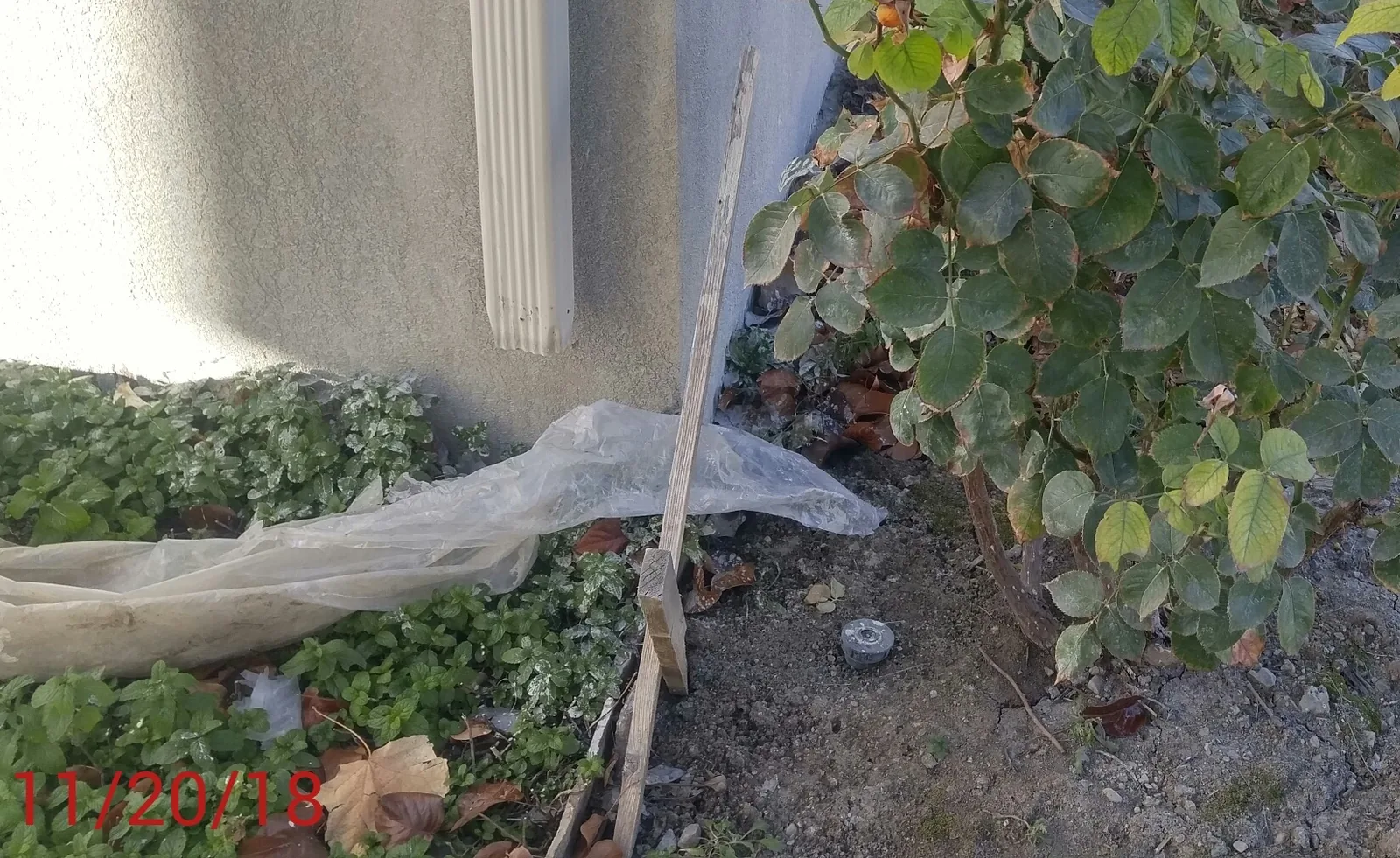
Downspout does not extend away from house
Extension should be added to prevent water from running down the foundation
Electrical and safety
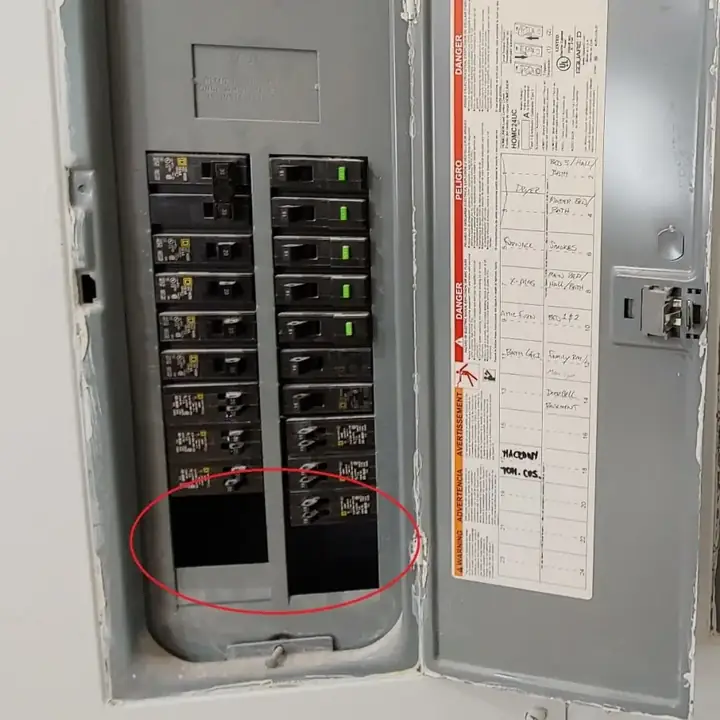
Missing knockouts on an electrical panel
Open knockouts are a shock and fire gap, and they fail a careful buyer’s read of the panel.
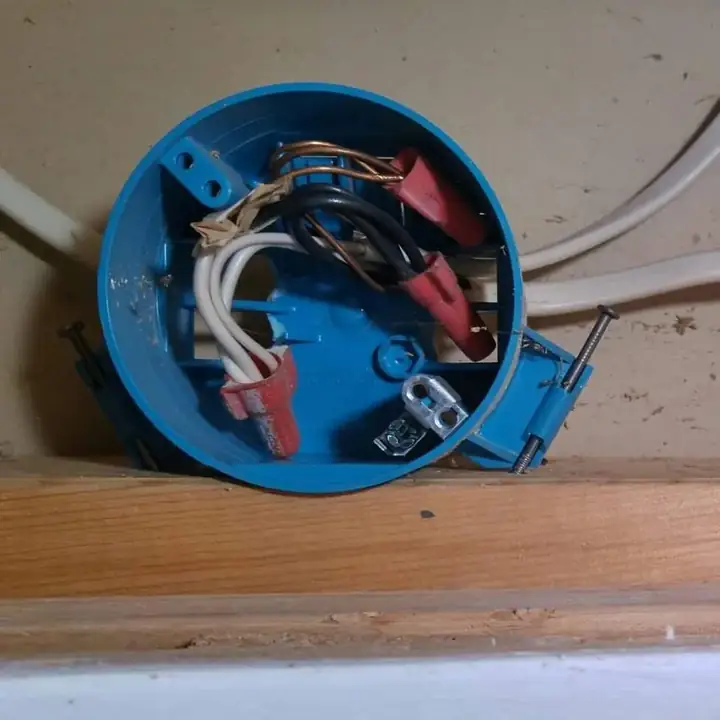
Missing electrical box cover
Exposed splices are a simple repair and a real hazard until the cover is on.
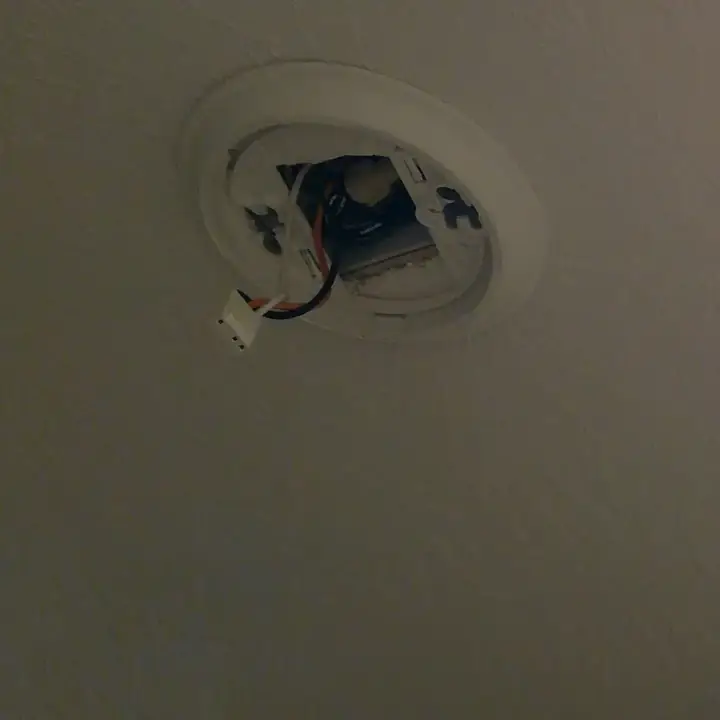
Missing smoke or CO alarm
Detectors are checked. Non-working and missing ones are called out in the report.
Water and moisture
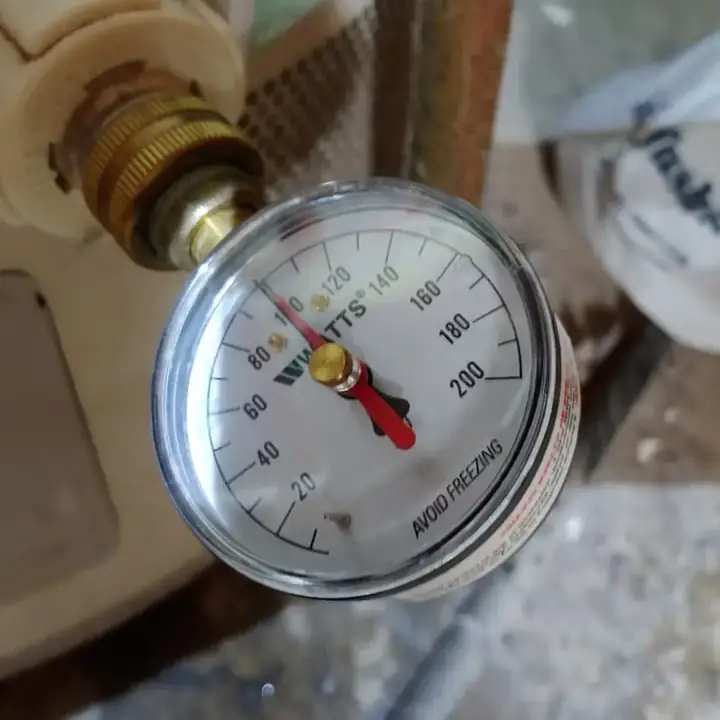
Water pressure too high
High pressure wears on supply lines, fixtures, and the water heater.
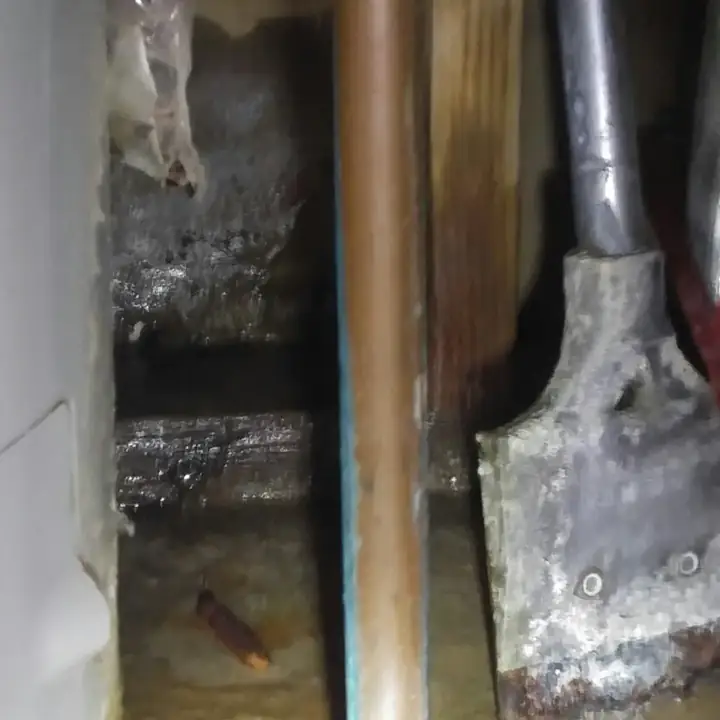
Active water leak
A leak in progress is documented with a photo and a location, not a guess.
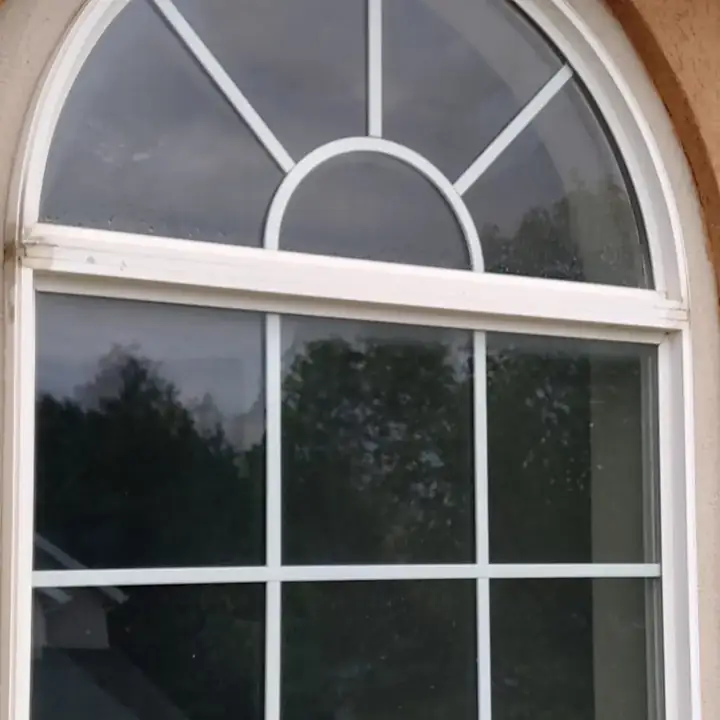
Moisture in windows
Fog or staining between panes, or at the sill, points at a failed seal or a leak.
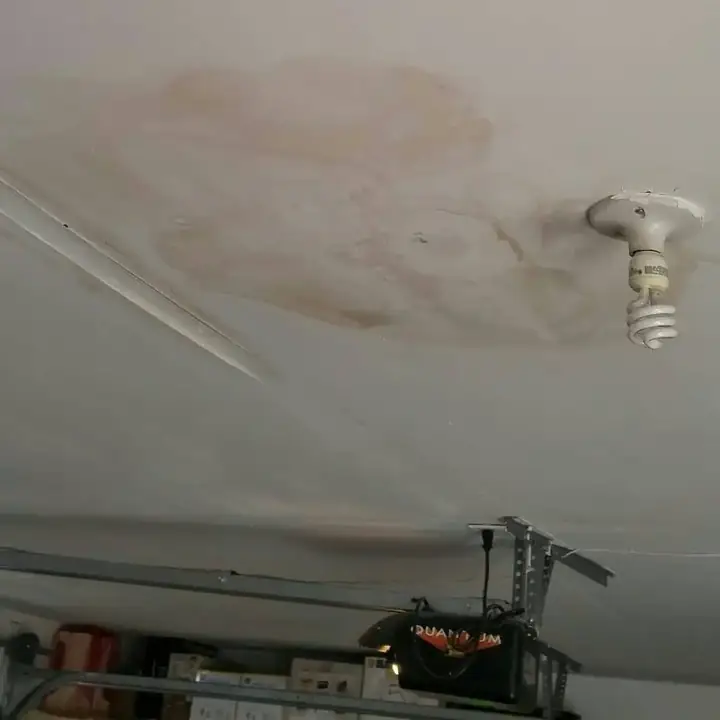
Ceiling moisture damage
A stained ceiling is the clue. The report looks for the source above it.
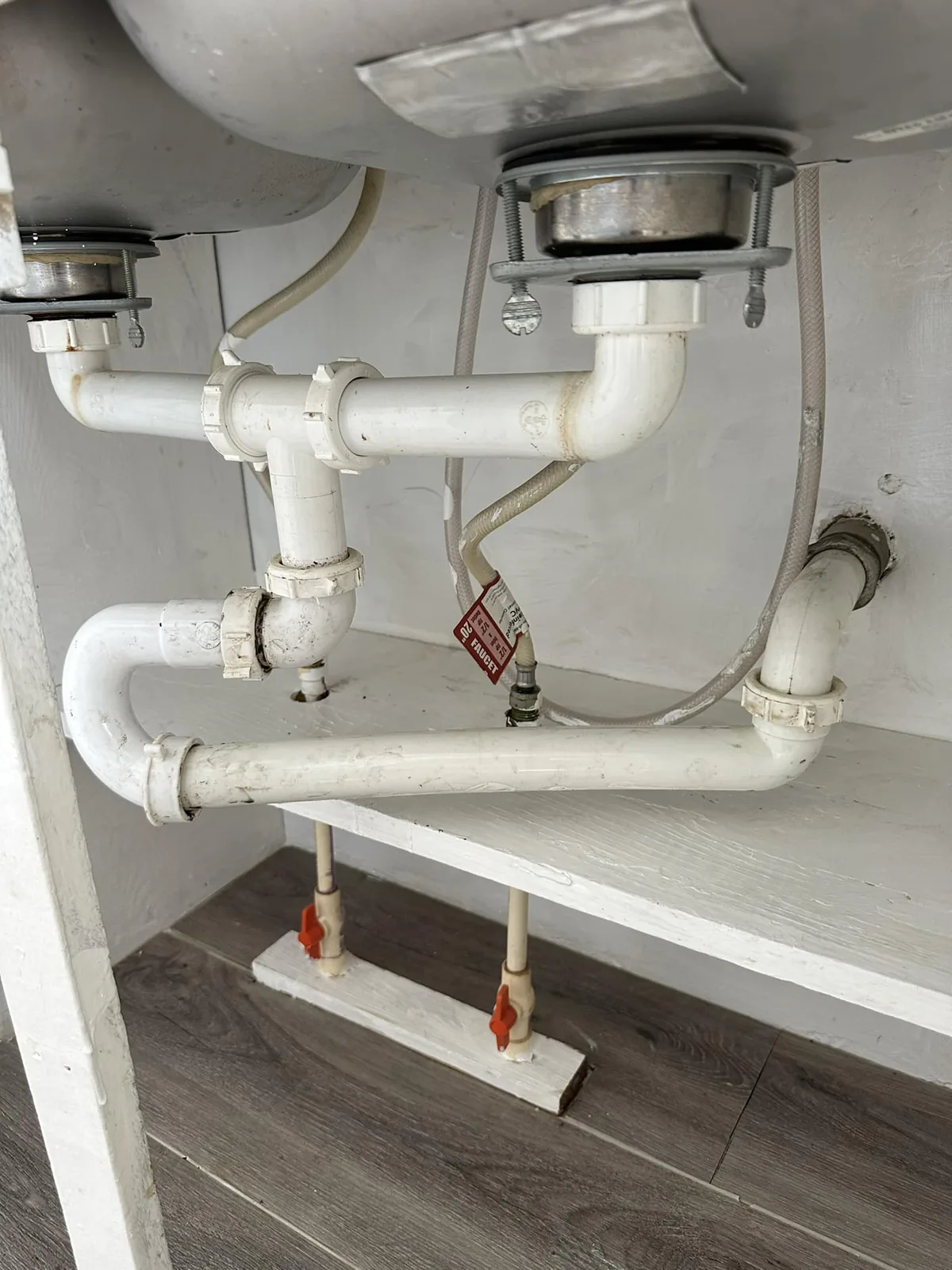
Under-sink drain piping improper P trap
Improperly installed P trap
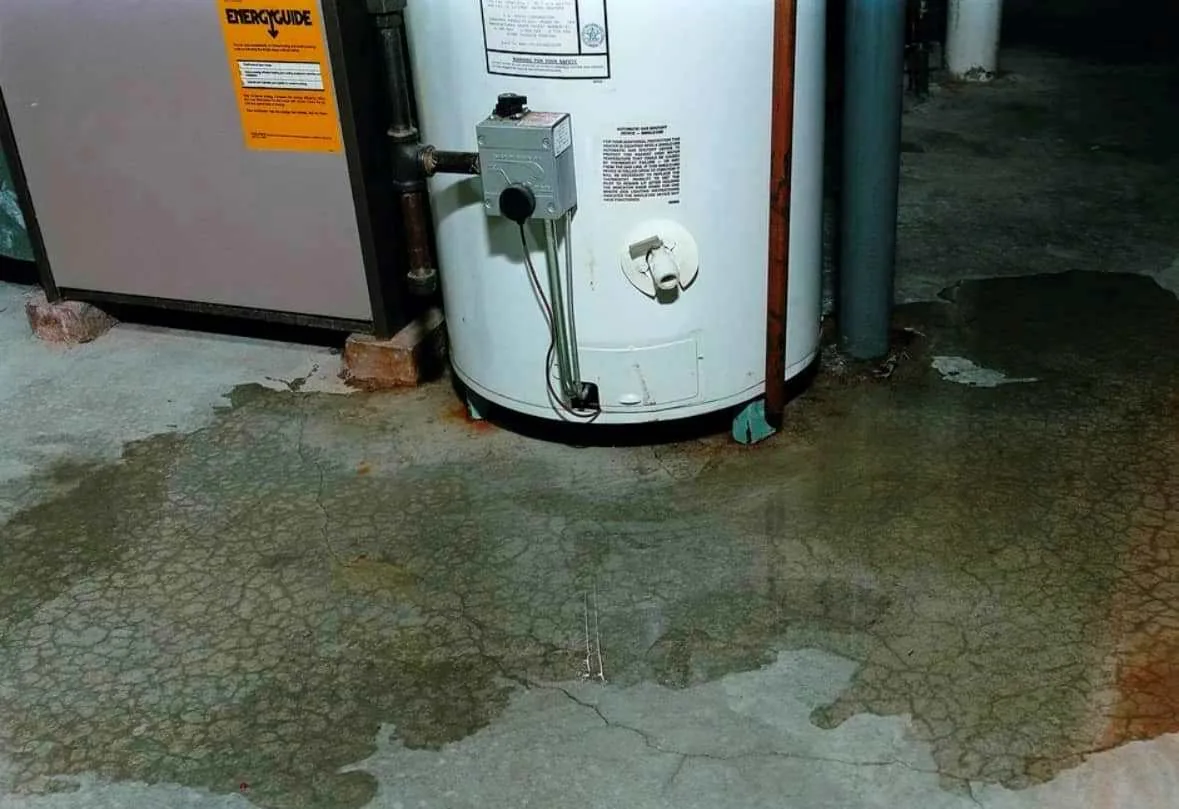
Water on the floor near the water heater
Water around the water heater is usually a sign of a failed water heater.
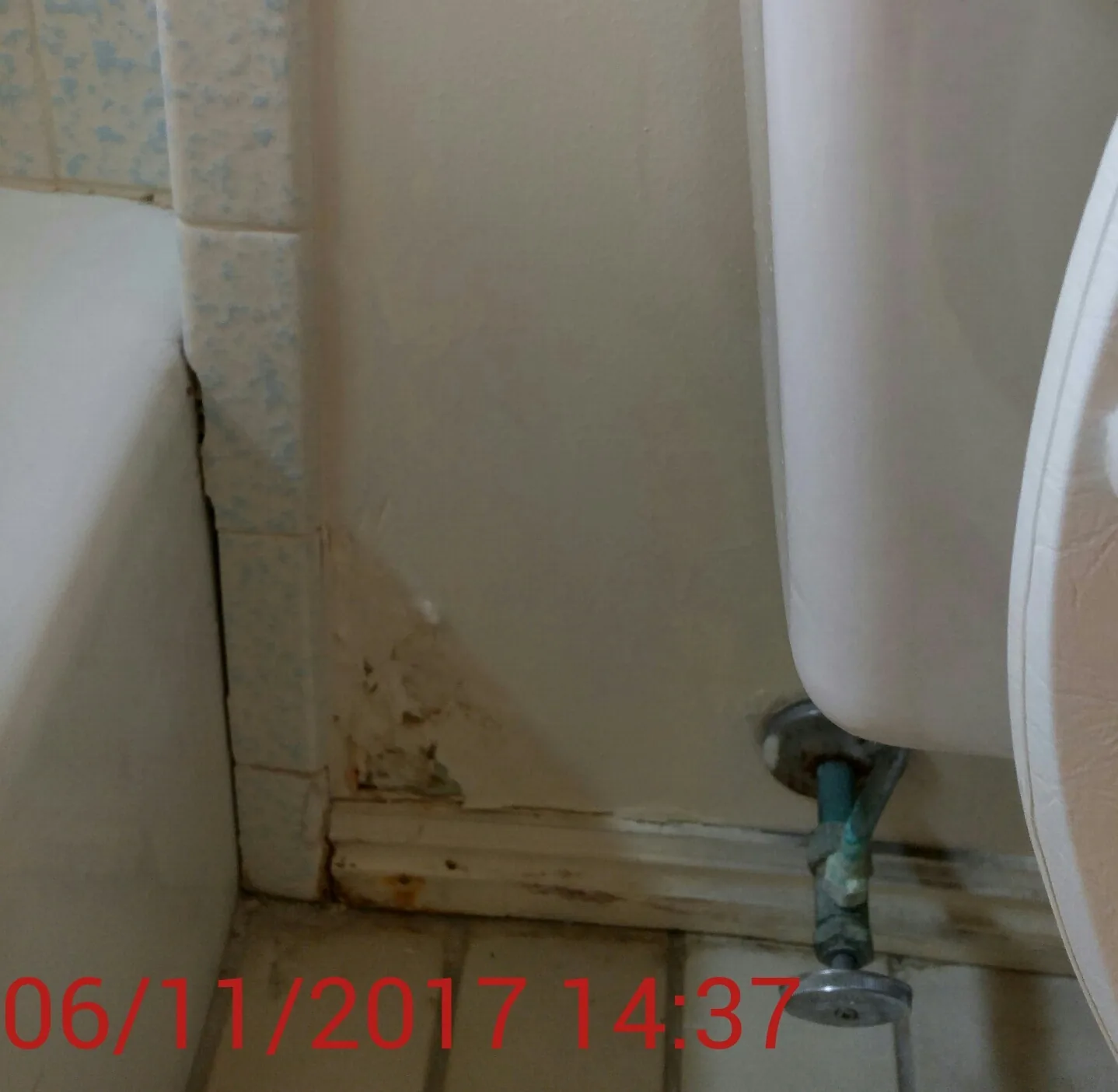
Deteriorated wall by the tub
The wall and baseboard between the tub and the toilet are stained and peeling.
Structure and flatwork
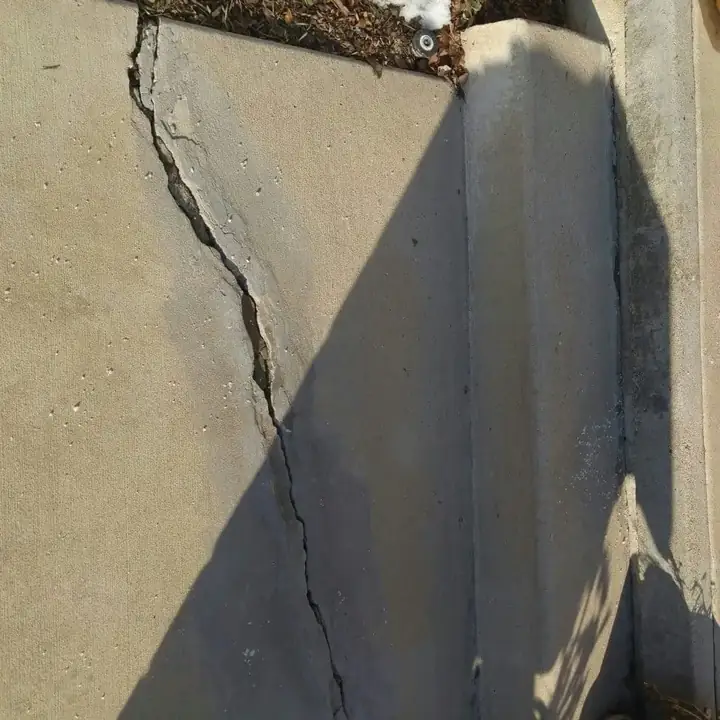
Cracked, settling concrete
Offset cracks can mean movement, not just a surface shrink crack.
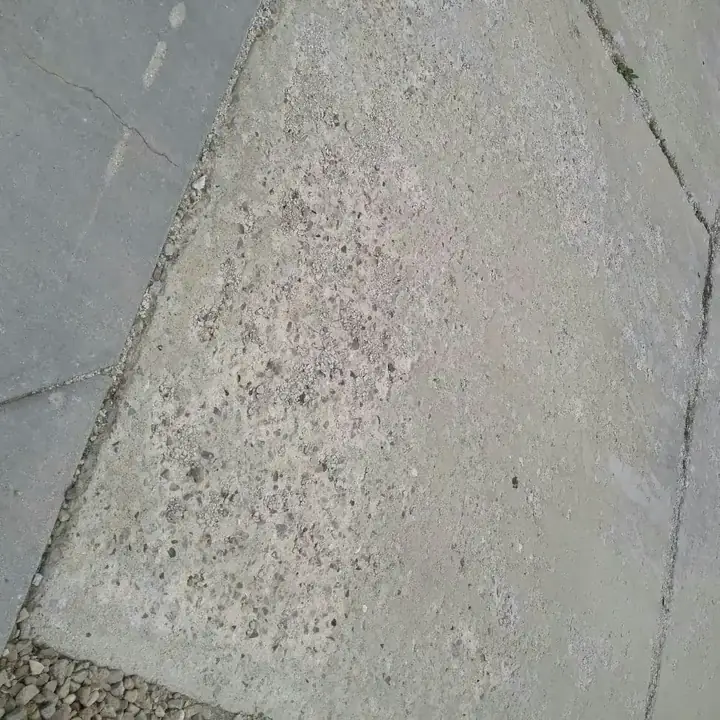
Spalling concrete
Surface breakup from freeze-thaw or a weak finish.
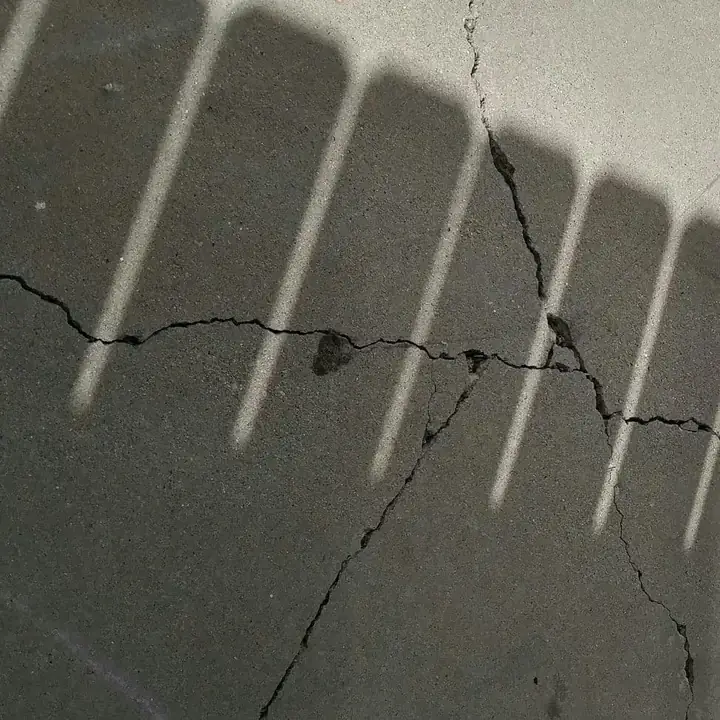
Cracked cement
Walks, drives, and flatwork are noted where the crack affects use or drainage.
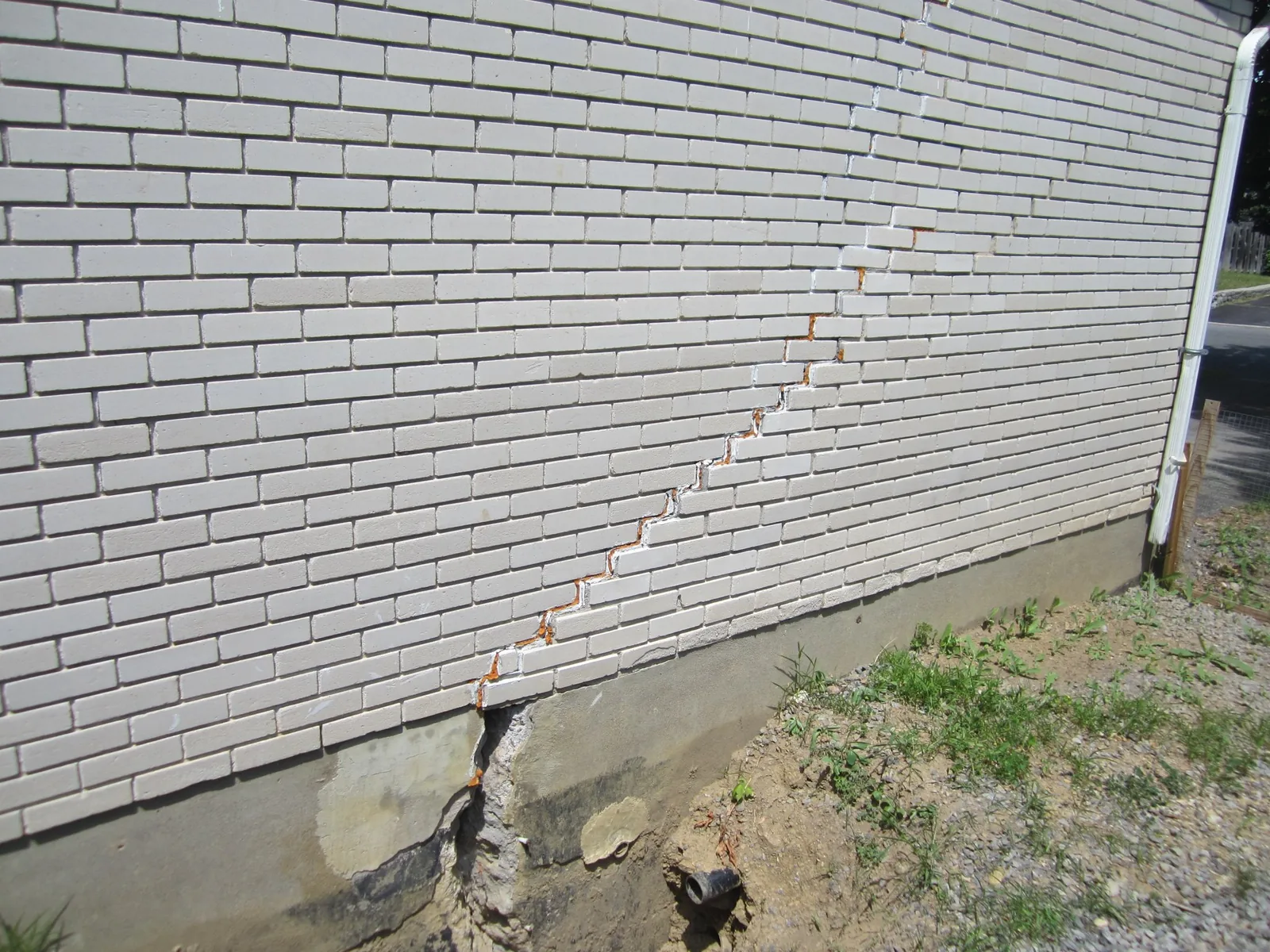
Stair-step crack in brick
The crack follows the mortar joints up the painted brick from the foundation.
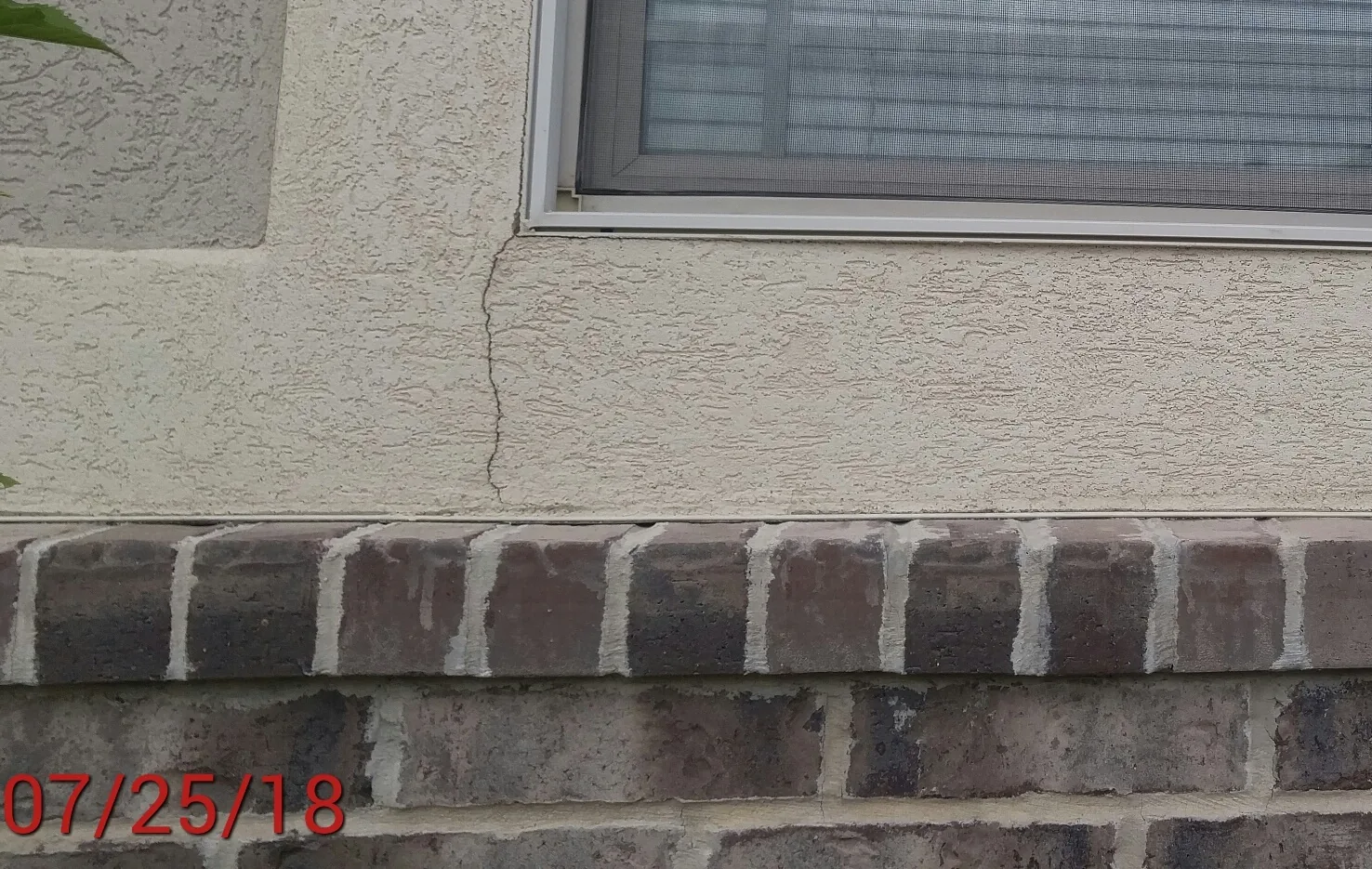
Crack in stucco below a window
A vertical crack runs in the stucco from the window sill down to the brick.
HVAC, garage, and glass
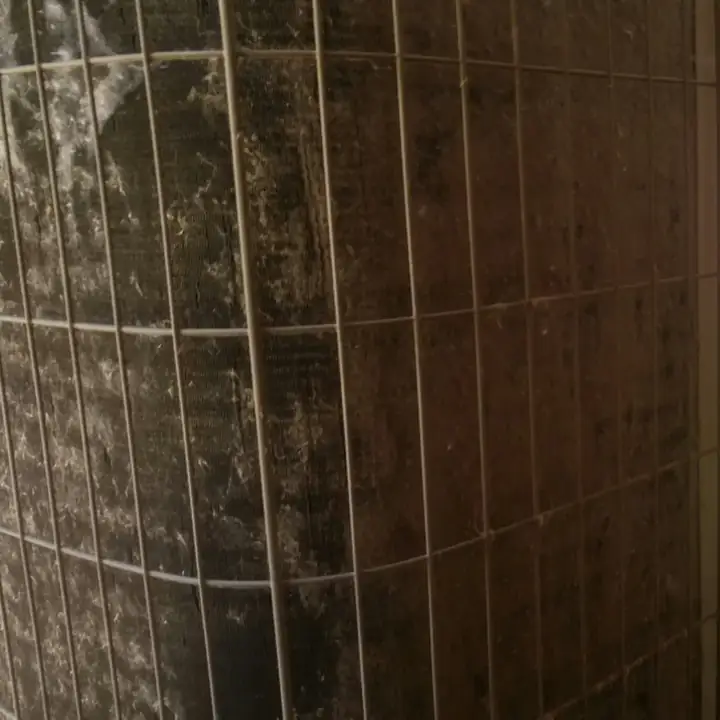
Dirty HVAC equipment
A neglected unit is a maintenance item and sometimes a sign of a larger service gap.
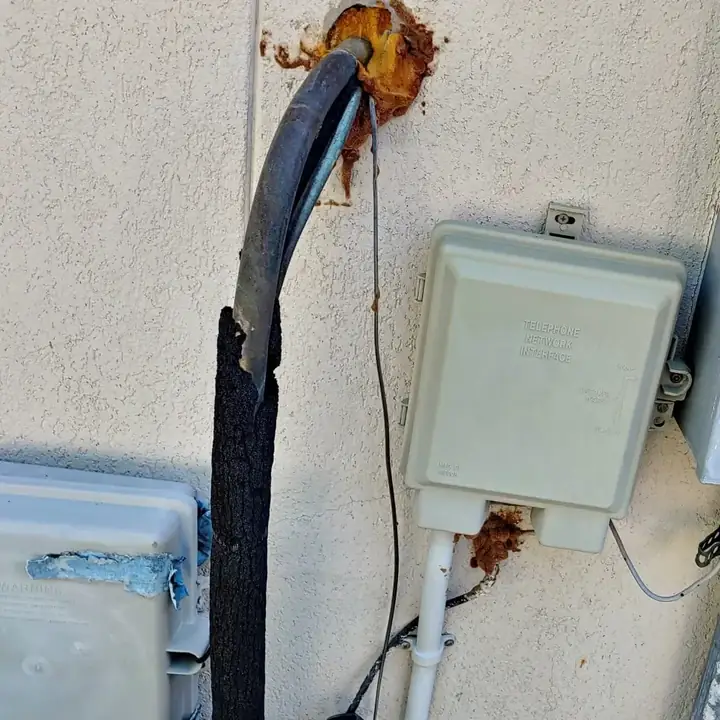
Damaged or missing HVAC line insulation
Bare refrigerant lines waste energy and sweat onto whatever is below them.
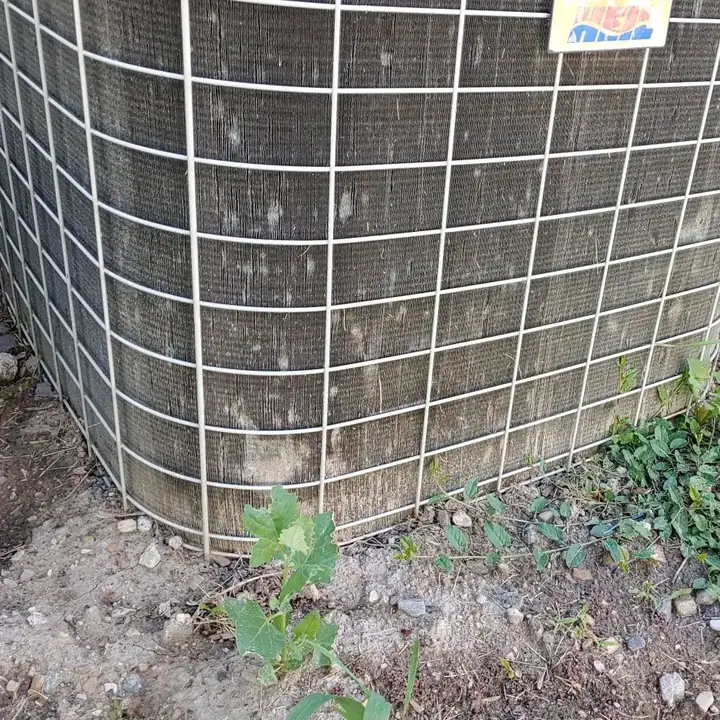
Missing HVAC base
Equipment that is not sitting on a proper pad moves, rusts, and is harder to service.
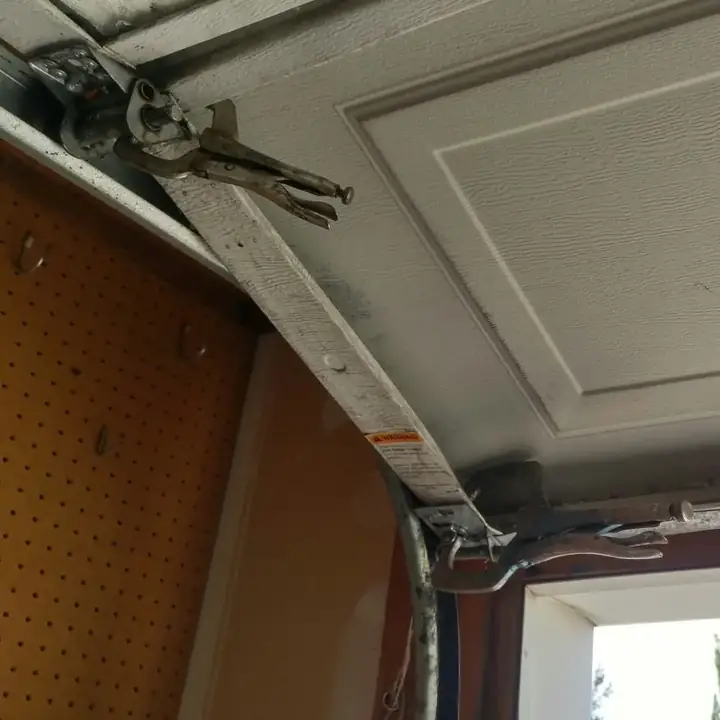
Faulty garage door
The door and the opener are tested with the normal controls, including the safety reverse.
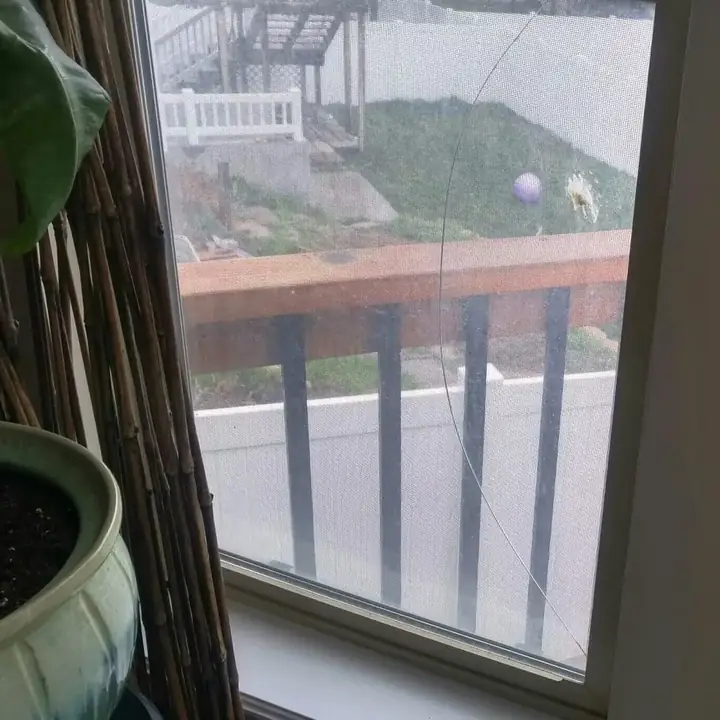
Cracked window
A cracked lite is a safety item and, depending on where it sits, a water item.
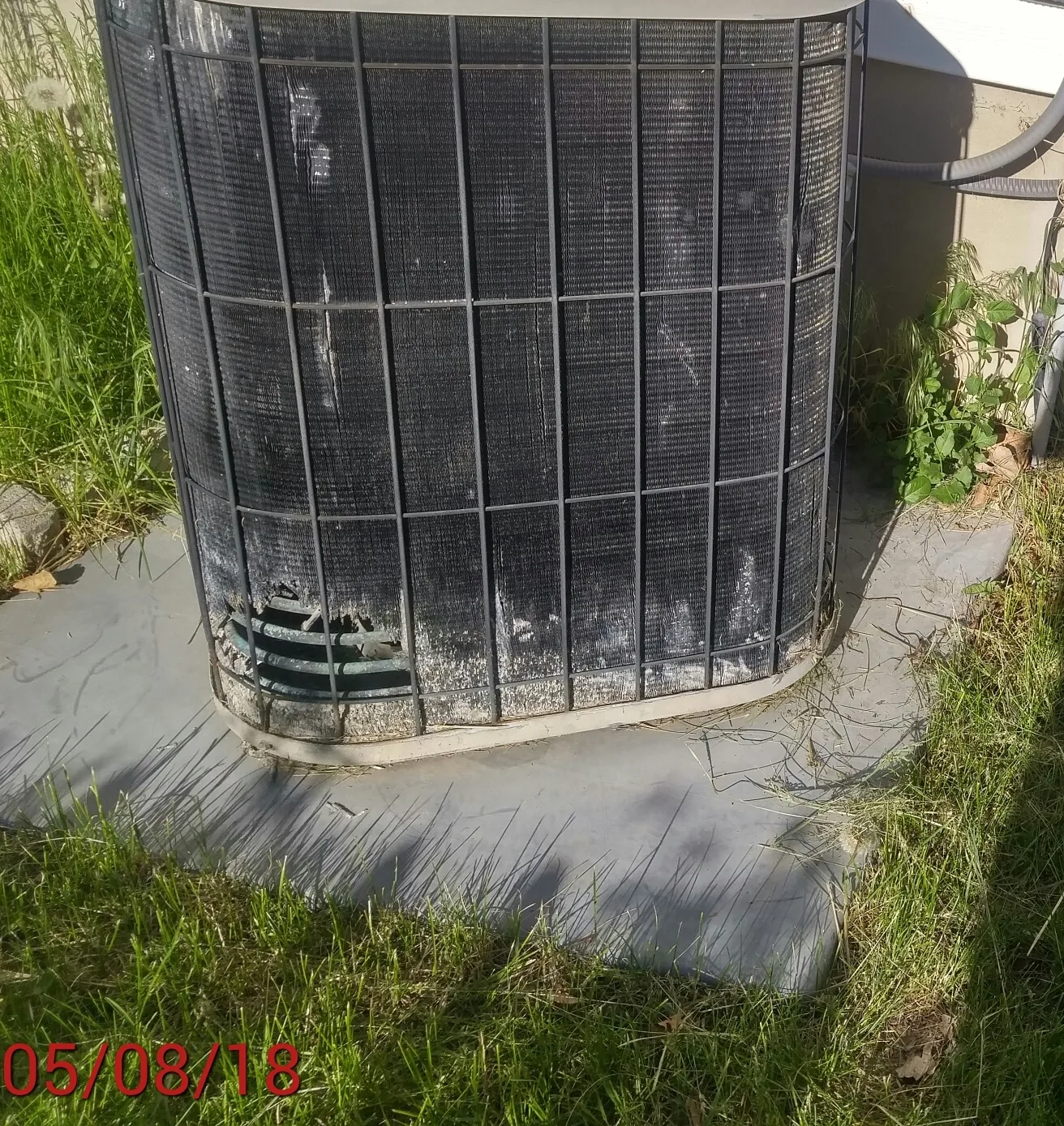
Damaged condenser grille
The grille is torn open at the bottom of the condenser, with the coil behind it.
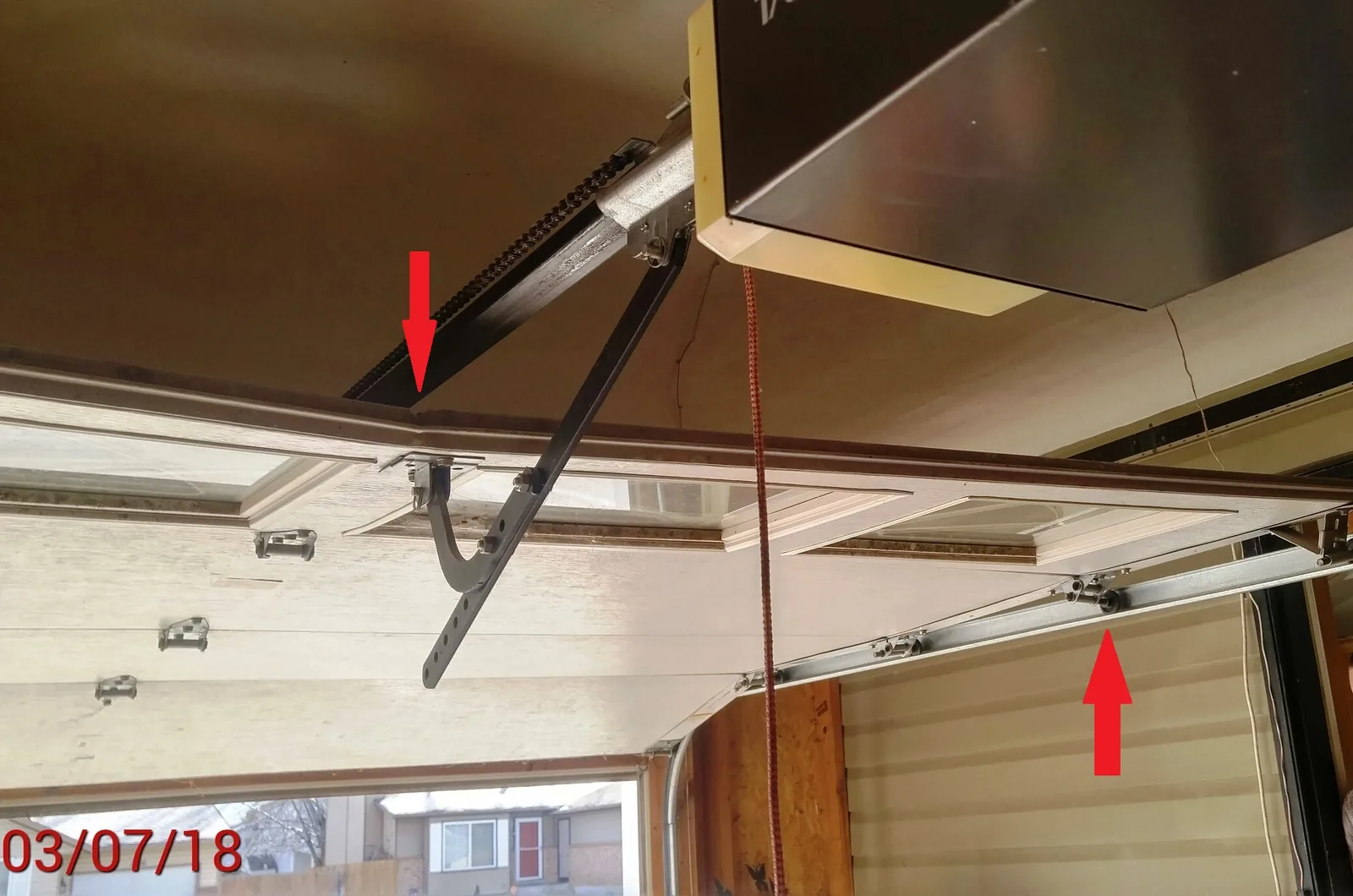
Damaged garage door
Arrows in the photo mark damaged places on the garage door.
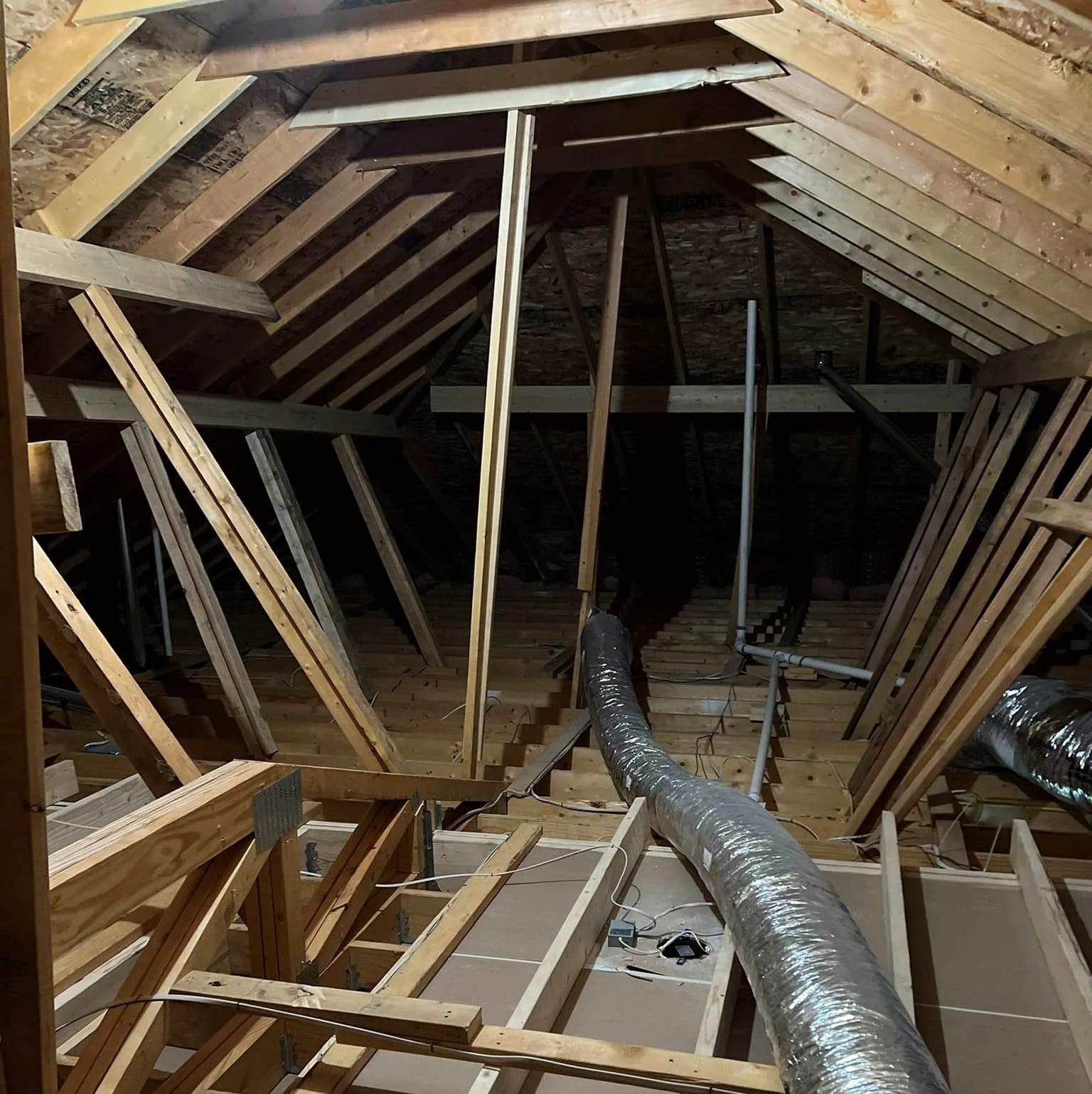
Missing attic insulation in new built
Missing insulation causes energy loss and reduces the comfort of the home
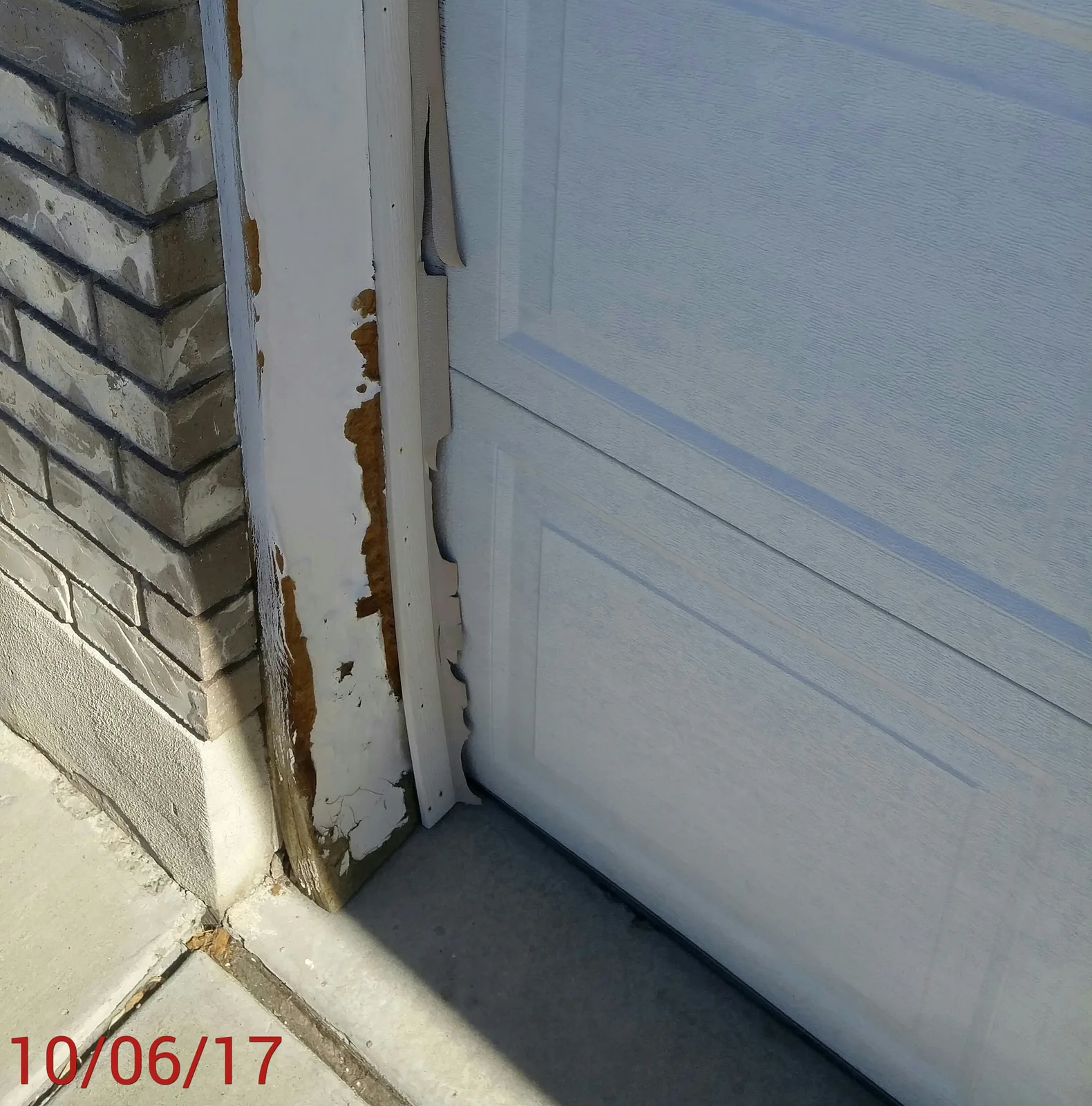
Damaged trim at the garage door
Missing paint and deteriorated trim around the garage door
Interior
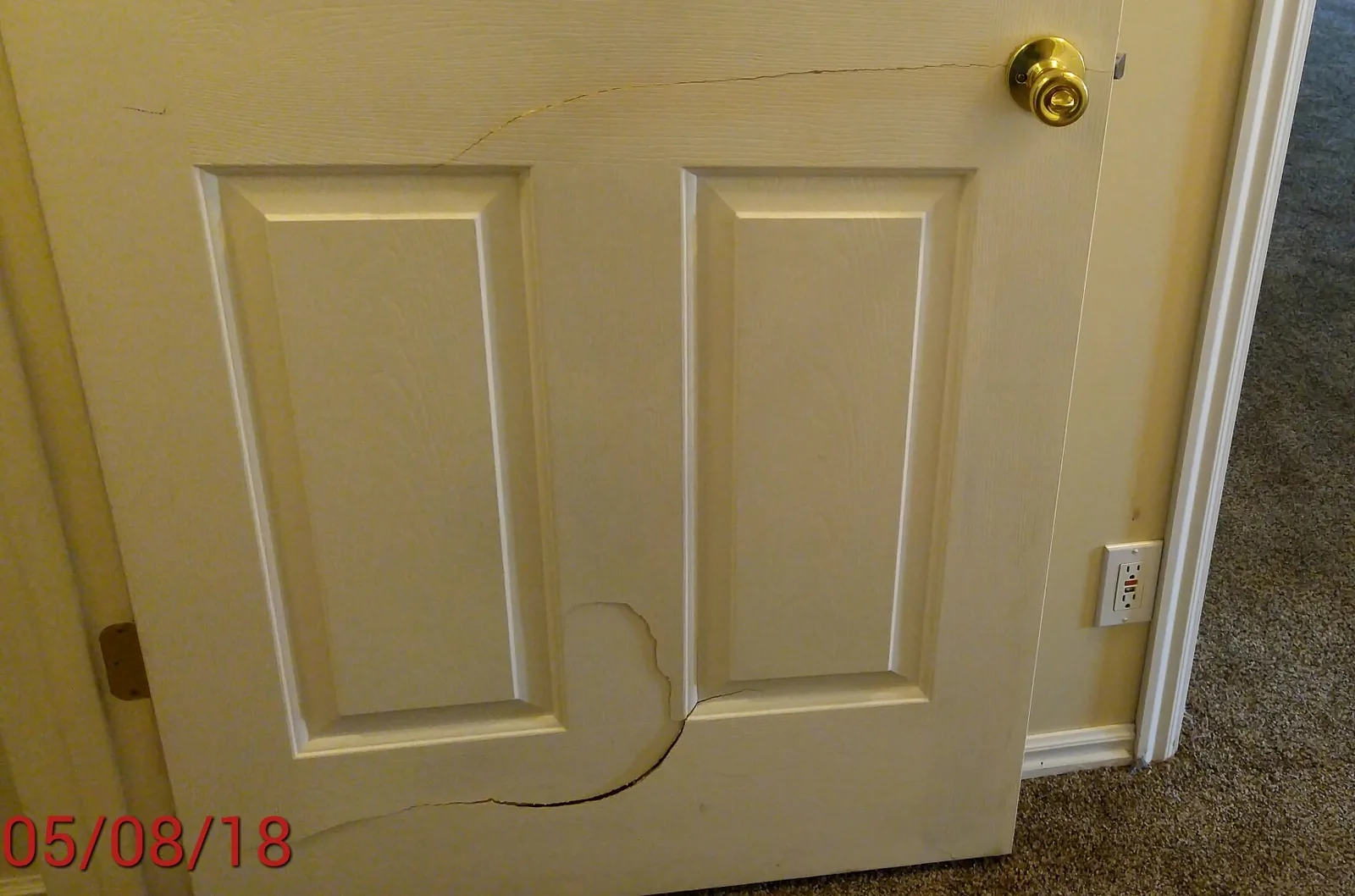
Cracked interior door
A crack runs through the top rail, and the lower panel is broken open.